

Your vision is a huge part of how you connect with the world around you and the people you love. As you get older, your eyes change, making routine eye exams even more important. One condition that can affect sight over time is age-related macular degeneration, or AMD.
The red flags of macular degeneration include blurry or distorted central vision, colors that appear less vibrant, and difficulty adjusting to low light.
What Is Macular Degeneration?
Macular degeneration occurs when the small, central part of your retina, known as the macula, begins to deteriorate. The macula is responsible for the sharp, central vision that you use for detailed tasks.
The Role of the Macula
Think of your macula as the high-definition camera of your eye. It allows you to see fine details clearly, recognize faces from across the room, and read the words on a page. When the macula becomes damaged, your central vision is affected.
Age & Other Risk Factors
Age is a primary factor in AMD, with the condition becoming more common after the age of 50. However, since vision problems can be hereditary, it’s helpful to know if relatives have had the condition. Lifestyle choices, such as smoking or a diet low in certain nutrients, can also influence your eye health over time.
The Two Types of AMD
There are two forms of macular degeneration, dry and wet. Dry AMD is far more common and usually progresses slowly over many years as cells in the macula thin and break down. Wet AMD is less common, but it can cause faster and more noticeable changes to your vision. This is because wet AMD involves the growth of new blood vessels under the retina.

Early Warning Signs & Symptoms
The initial signs of macular degeneration can be subtle, which is why it’s so important to pay attention to even small changes in your vision. You might dismiss a slight blurriness as just needing a new prescription, but it could be something more.
Keep track of any of the following symptoms:
- Blurriness or a fuzzy spot in your central vision
- Straight lines—like a doorframe or telephone pole—that appear wavy or bent
- Reduced brightness of colors
- More difficulty when you move from a bright to a low-light area
- A dark or empty spot that appears in the center of your sight
How the Condition Affects Vision
Macular degeneration impacts every person differently. For some, vision changes happen gradually over a long period. For others, the shift can feel more sudden, especially with wet AMD.
The condition primarily affects your central vision, which is what you rely on for most daily activities. This can make it more challenging to read your favorite book, drive safely, or see the facial expressions of your loved ones. This type of uncorrectable vision loss is often referred to as low vision. Your peripheral vision typically remains unaffected, so you can generally still navigate your surroundings.
Ways to Support Your Vision with AMD
While there’s no cure for macular degeneration, you can take steps to manage the condition and support your overall eye health. Making positive lifestyle adjustments can contribute to your well-being.
Lifestyle & Diet Choices
A diet rich in leafy green vegetables, colorful fruits, and fish can provide nutrients that support retinal health. Foods like spinach, kale, and salmon are great sources of these nutrients. It’s also important to protect your eyes from UV light by wearing sunglasses outdoors, as the benefits of UV protection are significant. It’s also wise to avoid smoking, as doing so can accelerate damage to the macula.
Have a Conversation About Medications
Some medications can have side effects that impact your eyes. It is always a good practice to discuss any medications you take with your healthcare providers. This helps everyone on your health team work together to support your whole body, including your eyes.
Why Regular Eye Exams Matter
Consistent eye care is one of the most effective tools for monitoring your vision and eye health. A comprehensive eye exam can detect the earliest signs of macular degeneration, sometimes long before you notice any symptoms yourself. This gives you the advantage of early awareness.
What to Expect at Your Appointment
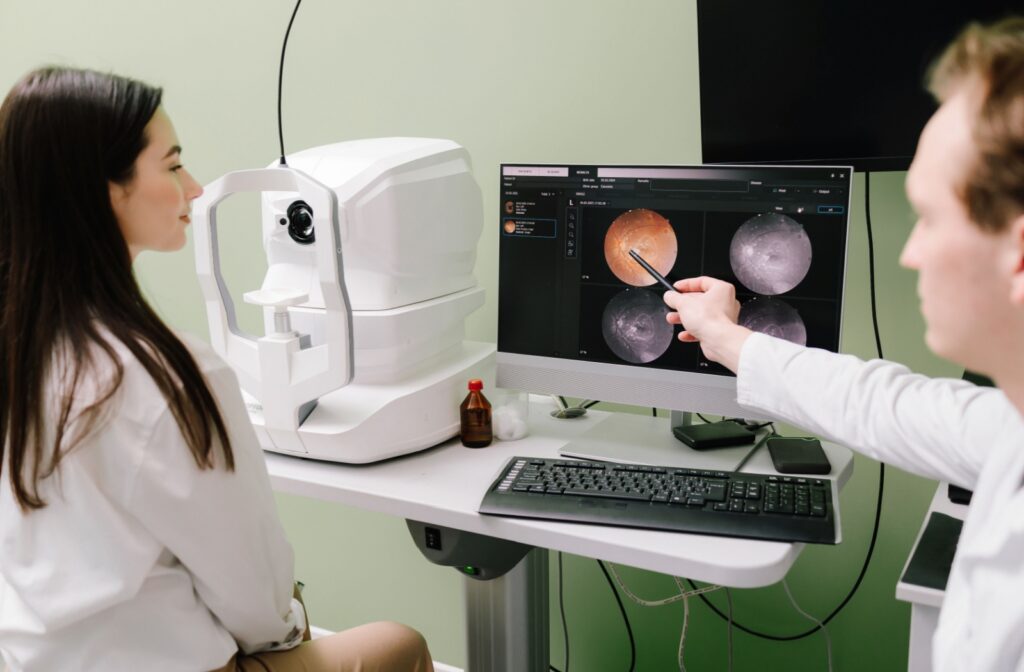
During an exam, an eye care professional looks at the back of your eye to check the health of your retina and macula. This is a key part of our approach to diagnosing and managing eye diseases.
These routine appointments are a simple and powerful way to stay on top of your eye health. They also create a valuable opportunity for you to ask questions and discuss any changes that you may have noticed in your vision.
Your sight is precious, and being informed about conditions like macular degeneration is a key part of protecting it. By recognizing the red flags and working with a dedicated eye care team, you can take a proactive role in your vision health for years to come.
Our team at Total Vision Lake Elsinore is here to help you keep your eyes healthy, so schedule your comprehensive eye exam with us today.