

You might think your vision is fine if you can read signs and watch TV without squinting. However, many eye conditions develop silently, causing no noticeable symptoms until damage occurs. Total Vision Lake Elsinore helps families stay ahead with comprehensive eye care.
Regular eye exams can detect vision problems and serious health conditions before you notice any symptoms, allowing for early treatment that can help protect your sight and overall health.
What Happens During Your Comprehensive Eye Exam
Visual Acuity Test
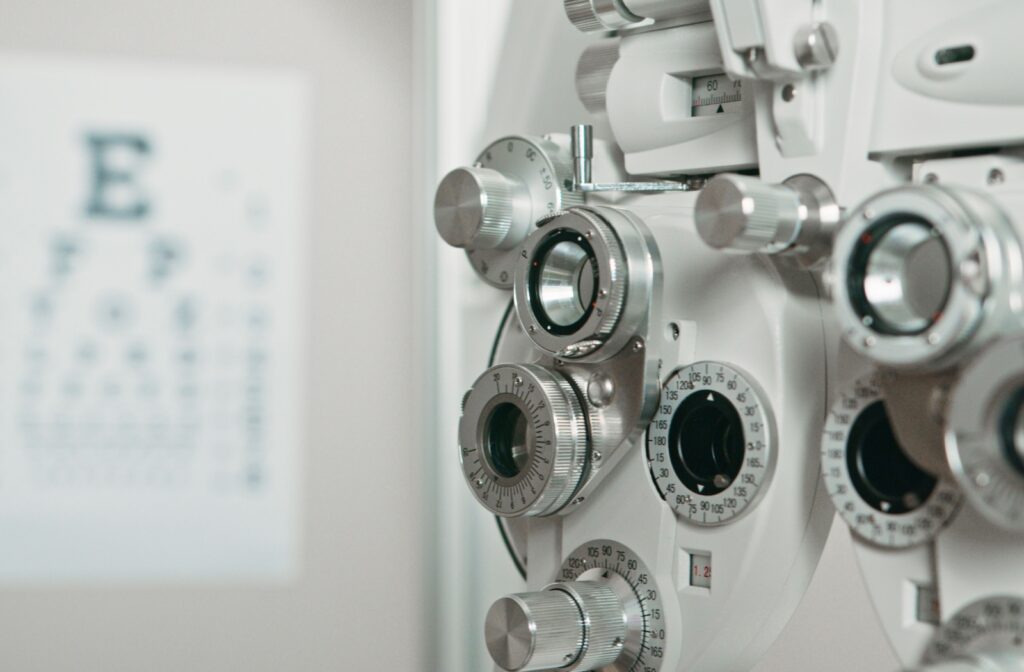
Your eye exam might begin with a familiar test where you read an eye chart from across the room, or the eye doctor might flip through options while you tell them which side looks clearer. These tests help the eye doctor determine your exact prescription needs and notice changes in your vision.
A Dilated Eye Exam
If you are receiving a dilated eye examination, the eye doctor may place special drops in your eyes to widen your pupils. This helps them see a clear view of your retina (the back of your eye), blood vessels, and optic nerve (which sends messages to your brain). Your vision might feel blurry for a few hours afterward, but this test can help reveal problems that other methods sometimes miss.
Measuring Your Eye Pressure
Our eye care team might measure your eye pressure using a gentle puff of air or a small instrument that touches your eye. High pressure in your eye is measured because it can indicate a higher risk of glaucoma. An optic nerve evaluation checks for signs of damage that could affect your peripheral (side) vision.
Beyond Basic Vision Tests
The slit-lamp examination uses a microscope with bright light to examine the front structures of your eye. This detailed view helps detect scratches on your eye, cataracts, and signs of inflammation.
Visual field testing maps your peripheral vision by asking you to identify lights or objects while focusing straight ahead. This test can detect gradual blind spots that often go unnoticed.
Modern retinal imaging technology takes detailed photos of the back of your eye. These images can help create a baseline for comparison during future visits, helping track even tiny changes over time.
Common Eye Conditions Caught Early
Silent Vision Threats
Glaucoma often shows no symptoms until vision loss occurs. Regular eye exams can help detect early pressure changes and optic nerve damage before you notice any vision problems. Early detection means that treatment can be started sooner to help prevent further damage.
Diabetic retinopathy is a condition that can damage blood vessels in the back of your eye, even when your blood sugar seems well-controlled. Diabetic eye exams are important because they help your eye care team track progression and determine when treatment is necessary to prevent bleeding and vision loss.
Age-Related Changes
Cataracts develop gradually, clouding your lens so slowly that you might adapt without realizing your vision has changed. Regular exams can help track cataract development and determine the right timing for surgery if and when it becomes necessary.
Age-related macular degeneration (AMD) affects your central vision but develops slowly. Catching this condition early opens up treatment options that can preserve your reading and driving vision.
Health Conditions Your Eyes Can Reveal
Diabetes Can Affect Your Eyes
Your eyes’ blood vessels change when you have diabetes, often before other symptoms appear. The eye doctor can often see these changes during your exam, potentially alerting you to blood sugar problems that need attention.
High Blood Pressure
High blood pressure affects the tiny blood vessels in your eyes, creating visible changes that can show up during your exam. These signs can be associated with cardiovascular risks that you might not know about otherwise.
Who Needs Regular Eye Exams and When
Children and Young Adults
Healthy vision is the foundation of your child’s learning in school. Sometimes kids don’t realize they can’t see clearly because they’ve never experienced anything else, or they’ve adapted to blurry vision. Children’s eye exams can help detect these issues before they affect academic success.
Participating in sports requires good depth perception and peripheral (side) vision. An eye exam helps identify vision problems that could affect your child’s athletic performance or safety during activities.
Digital devices can contribute to eye strain, dry eye, and more. Our team can help monitor these effects and provide strategies for protecting your and your child’s eyes during screen time through digital eye strain management.
Adults and Seniors
Annual eye exams become particularly important after age 40 when presbyopia develops, and your risk for glaucoma and other conditions increases.
If you have diabetes or a family history of eye disease, you may need more frequent exams. Your eye doctor in Lake Elsinore can recommend a schedule tailored to you, based on your individual risk factors and health status.
Benefits of Early Detection and Treatment
Early intervention and disease management often slow progression better compared to treatment that starts after symptoms appear. This can mean more years of safe driving, comfortable reading, and enjoying the activities you love.
Your Next Steps for Healthy, Happy Eyes
Total Vision Lake Elsinore can work with your schedule to find a convenient appointment time that fits your needs. Our team would love to talk to you about any concerns you have, whether they’re about your eyes or the eyes of someone you love. Schedule your appointment in Lake Elsinore, California, and take the first step to clear, healthy vision.